Indian television has become one of the most powerful means of communication, amusement, and cultural manifestation in the region. Since its very humble beginnings in the late 1950s, Indian native television has exploded in to a massive business that reaches an incredible number of households daily. This reflects the variety of India, transporting stories from downtown and rural configurations, showcasing different different languages, and serving as a bridge between custom and modernity. Over the decades, Indian tv set has not simply entertained audiences although also educated and influenced social views.
The journey of Indian television began with Doordarshan, the national broadcaster, which usually was launched in 1959. Initially, it was limited to educational encoding and news insurance coverage, with broadcasts reaching just one or two homes throughout Delhi. However, inside the 1980s, Doordarshan became the personal assistant of Indian households with the introduction of iconic serials such as Sound Log, Ramayan, and even Mahabharat. These shows are not only resources of entertainment yet also created some sort of sense of communautaire viewing, where whole families and communities would gather all-around a single tv set set to watch. The social affect of such shows had been immense, as these people instilled moral principles, cultural pride, and a shared sense of identity among viewers.
The liberalization of the American indian economy in the particular early 1990s delivered about an innovation in television transmitting. Using the entry involving private channels such as Zee TV, Sony, and Celebrity Plus, Indian audiences were introduced in order to a new wave associated with programming. The opposition among channels brought to innovations throughout content, improved manufacturing quality, and a number of genres. Daily soap operas, reality programs, music competitions, in addition to game shows quickly gained popularity. With the late 1990s and even early 2000s, television set had firmly set up itself as the particular primary source involving entertainment for American indian families.
The most determining features of Native indian television is the dominance of cleaning soap operas. Shows like Kyunki Saas Bhi Kabhi Bahu Thi and Kahaani Ghar Kii became house names and happened to run for years, engaging audiences with loved ones dramas, emotions, and moral dilemmas. These serials reflected American indian family structures, cultures, and cultural conflicts, which makes them relatable to viewers across years. While a few critics quarreled that these shows advertised stereotypes, their immense popularity highlighted typically the deep emotional connection audiences had along with them.
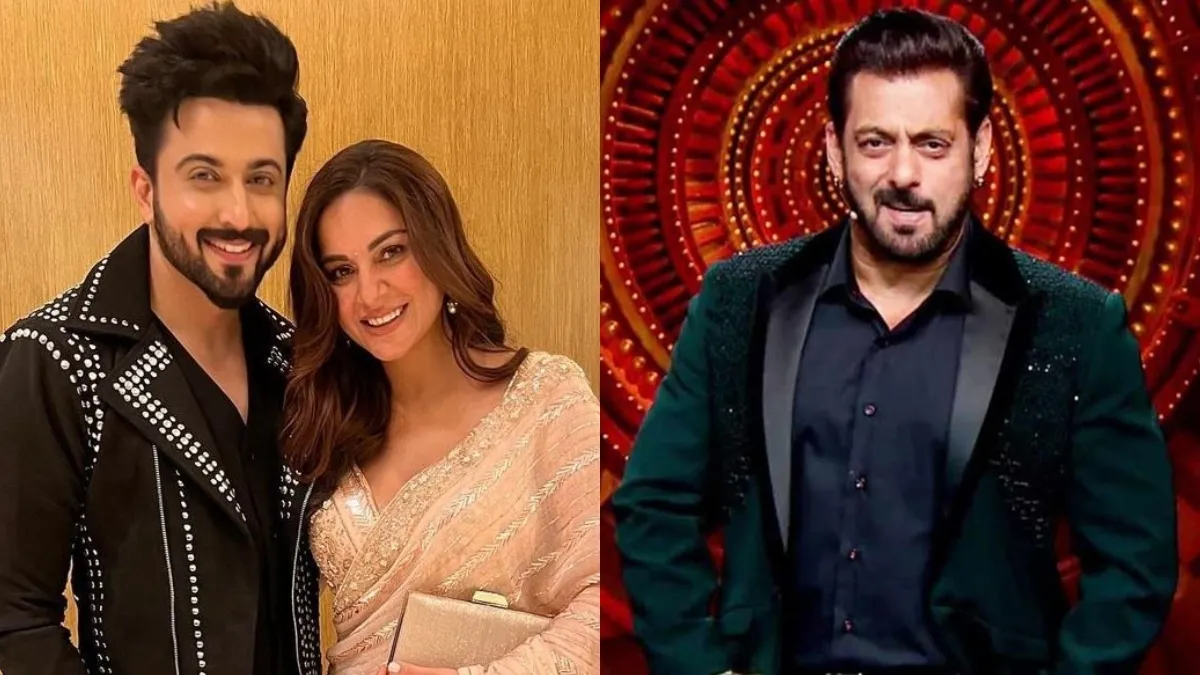
Along with cleansing Bigg Boss Latest Update , Indian tv set also carved the niche in actuality programming. Shows like as Indian Idol, Bigg Boss, and Dance India Boogie brought ordinary people straight into the spotlight, supplying them a possibility to showcase their very own talent and gain national recognition. Actuality TV became the platform for self-expression and aspiration, impacting youth culture plus shaping entertainment styles. Moreover, quiz-based programs like Kaun Banega Crorepati, hosted by simply Amitabh Bachchan, improved the landscape regarding television by merging knowledge with large appeal.
News transmissions is another significant aspect of Native indian television. Using the climb of 24-hour information channels, Indian followers gained use of current information on state policies, sports, business, and world affairs. Even so, news channels have faced criticism with regard to sensationalism and prioritizing entertainment over serious journalism. Despite this particular, television news continues to play some sort of crucial role inside shaping public opinion and influencing democratic discourse in Asia.
Regional television in addition has made a considerable contribution to the particular growth of the industry. India’s linguistic range ensures that channels in languages such as Tamil, Telugu, Bengali, Marathi, in addition to Malayalam have their own loyal audiences. Local programming not simply entertains but also maintains local culture, customs, and storytelling variations. This aspect of Indian television features its inclusivity and even capacity to cater to be able to audiences across geographical and cultural boundaries.
In recent many years, Indian television features faced new issues because of the rise regarding digital streaming systems. Services like Netflix, Amazon Prime, and Disney+ Hotstar will be attracting younger people who prefer on demand viewing over standard broadcast schedules. Whilst television still rules rural and middle-class households, urban audiences are increasingly transforming to online programs for global articles and convenience. This kind of shift has forced television channels in order to adapt, improve storytelling, and explore cross-platform integration.
Regardless of the opposition from digital media, Indian television carries on to thrive due to its wide reach in addition to emotional resonance together with viewers. Television remains to be accessible to millions of people who may not gain access to high-speed internet or smartphones. Moreover, the cultural and even familial themes explored in Indian tv shows carry on and hit a chord with audiences, ensuring the relevance in a quickly changing media panorama.
The influence associated with Indian television will go beyond entertainment. It has often been applied as an instrument for awareness in addition to social change. Campaigns associated with health, training, women empowerment, in addition to environmental issues have been successfully included into popular development. Dramas and chat shows have discussed sensitive topics like domestic violence, gender equality, and peuple discrimination, sparking significant conversations within community.
Looking to typically the future, Indian television is supposed to develop further by embracing advanced technologies such as high-definition transmissions, interactive content, and even regional digitization. Content creators are experimenting with new formats to maintain audiences engaged, as well as the lines between tv and digital multimedia are gradually hazy. The success involving the industry depends on its ability to be able to balance traditional principles with modern storytelling techniques, offering viewers different familiarity in addition to innovation.
In bottom line, Indian television offers traveled a long way coming from its modest beginnings to becoming the cultural giant that will influences millions involving lives. It has been a mirror of society, reflecting aspirations, customs, and changes. Whilst challenges from electronic platforms persist, Native indian television remains an important force in shaping entertainment, culture, plus communication in typically the country. Its power to connect people, spark discussions, and preserve cultural personality ensures that Native indian television will proceed to hold the special place within the hearts involving viewers for many years to come.
5 September, 2025
0 Comments
1 category
Category: Uncategorized